
Safety Tips for DIY Tree Care (And When to Call a Pro)
Caring for the trees on your property helps protect your investment, enhances curb appeal, and promotes a healthier landscape through proper tree care . While some tree care tasks are perfectly safe to handle on your own, others are best left to experienced professionals. Whether you’re a weekend gardener or a dedicated DIYer, understanding the right safety techniques for tree maintenance can make all the difference in protecting both you and your trees.
Why Tree Care Is Important for Your Landscape
Healthy established trees play a vital role in the appearance and sustainability of your property. They provide shade, improve air quality, and increase property value. More importantly, regular tree care reduces the risk of falling limbs or tree failure that could harm people or damage structures. By investing time in basic tree maintenance, homeowners can avoid expensive problems and enjoy a safer outdoor environment.
Assessing the Risks Before You Start DIY Tree Work
Before grabbing a saw or clippers, it’s important to evaluate your tree and surroundings. Look at the height and spread of the tree—if it’s too large or close to power lines, it’s a job for a professional. Examine the tree’s root system for signs of instability, such as leaning trunks, root damage, or dead branches. If the tree is diseased, decaying, or growing near a structure, additional precautions should be taken. Hazards like uneven terrain and proximity to electrical wires make DIY work especially dangerous.
Essential Tree Care Tasks That Are Safe to Do Yourself
Light Pruning and Thinning
Pruning small, low-hanging branches is usually safe for homeowners to handle. Use hand pruners or loppers to remove dead or damaged limbs, and only cut branches that are within easy reach. Always make clean cuts at the branch collar and avoid over-pruning, which can stress the tree. Light thinning during dormancy helps improve airflow and reduces disease risks.
Mulching and Soil Care
Mulch is one of the best ways to support tree health, but it must be applied correctly. Spread 2-4 inches of organic mulch in a donut shape around the base of the tree, leaving space around the trunk to prevent rot. Mulching helps retain moisture, regulate temperature, and suppress weeds. You can also aerate compacted soil with a hand tool and apply compost to improve nutrient levels and drainage.
Watering and Fertilizing
Newly planted and young trees need consistent watering, especially during dry spells. Water slowly at the root zone and avoid overhead watering that can promote fungal growth. Mature trees benefit from deep watering every few weeks in hot weather. When it comes to fertilizer, use a slow-release product suited to your soil type and tree species. Over-fertilizing can do more harm than good, so test your soil before applying nutrients.
Safety Tips for DIY Tree Care
Tree maintenance may seem simple, but it comes with real risks if not done properly. Always wear gloves, eye protection, a helmet, and sturdy boots. When using ladders, make sure they are stable and placed on flat ground—never stand on the top rung or overreach. Use sharp, well-maintained tools and work during dry, calm weather. Avoid using power tools or chainsaws unless you’re trained and confident in their use, as professional tree care is often necessary . Never prune from a ladder near power lines or attempt tree removal without professional support.
Tree Maintenance Jobs You Should Leave to the Pros
Large Tree Pruning and Limb Removal
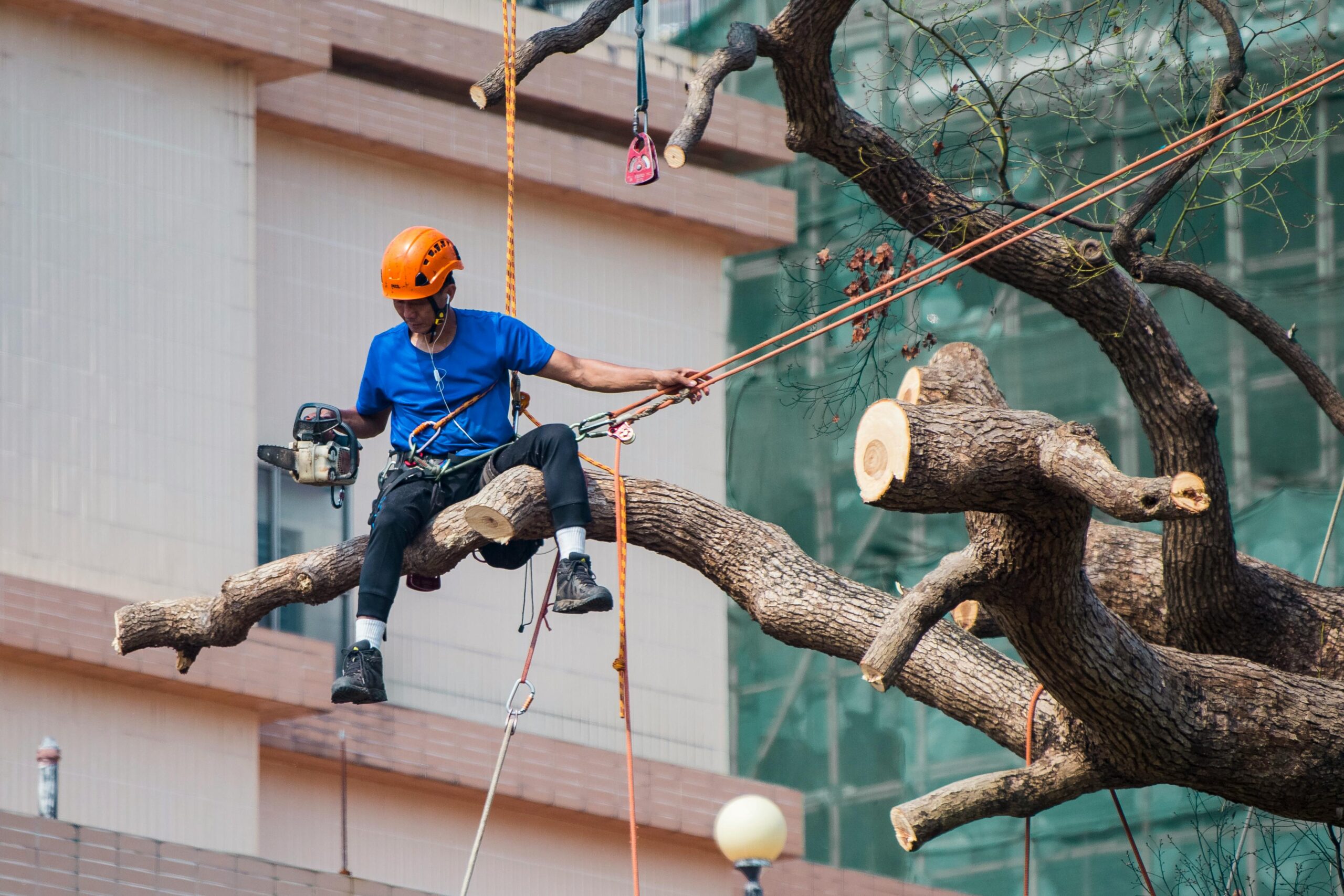
Branches higher than shoulder height or those that require climbing or rigging are best handled by trained arborists. Cutting large limbs can cause them to swing or fall unpredictably, putting you and nearby property at risk. Professionals use ropes, pulleys, and harnesses to manage these hazards safely.
Tree Removal and Emergency Cleanups
Trees that are leaning, storm-damaged, or have compromised root systems can be extremely dangerous to remove. Felling a tree incorrectly can result in property damage, power outages, or serious injury. Emergency cleanups after storms may involve tangled limbs or unstable trunks—both of which require heavy-duty equipment and experience to handle correctly.
Tree Disease Diagnosis and Treatment
Not all tree problems are visible on the surface. Insect infestations and pests , fungal infections, and internal rot often require expert diagnosis. Misidentifying a disease can lead to improper treatment or unnecessary removal. Certified arborists can inspect your tree, test for disease, and create a treatment plan that supports recovery rather than decline.
Benefits of Hiring a Tree Care Professional
While DIY tree care can save money upfront, hiring a tree care professional offers many long-term benefits. Experts understand the needs of your local tree species and use methods that promote healthy growth and structural stability. They have access to commercial-grade tools, safety gear, and specialized training that make their work efficient and reliable. Plus, professional crews carry insurance and licenses that protect you from liability in the event of damage or injury.
Leave Dangerous Tree Work to the Experts at Luca’s Tree & Stump
Some parts of tree care are perfect for a Saturday afternoon project. But when the job becomes risky or you’re unsure what your tree really needs, it’s time to bring in a trusted pro. At Luca’s Tree & Stump, we offer more than just tree removal. Our services include expert pruning to maintain the tree canopy , trimming, stump grinding, and emergency tree care throughout Southeastern Virginia.
We’re committed to safety, customer satisfaction, and high-quality work—no matter how big or small the job. Contact us today to schedule a consultation and give your trees the expert care they deserve.


